
Digital Overload and Emotional Exhaustion: Why Screens Make Anxiety Worse
Why So Many People Feel “Wired but Tired”
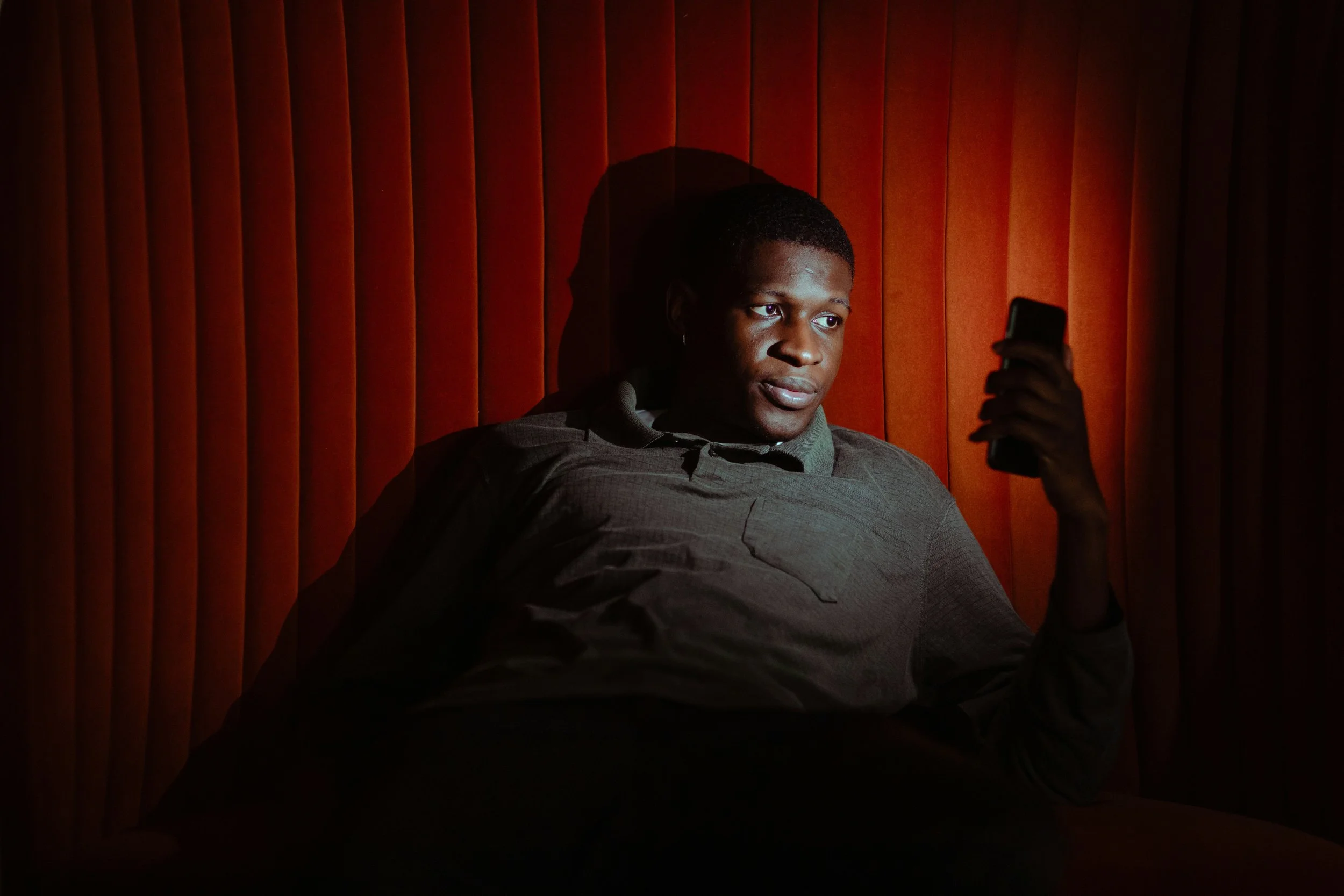
Many people describe a specific kind of exhaustion at the end of the day: mentally drained but unable to fully relax. Your body feels tired, yet your mind keeps racing. You scroll, respond, refresh, and consume information for hours — and somehow feel worse instead of better.
This experience is not a personal failure of discipline. It is a nervous system response to digital overload.
Modern screen use exposes us to constant stimulation: news alerts, social comparison, work messages, group texts, advertisements, short-form videos, and algorithm-driven content designed to hold attention. The brain is not built for continuous input at this intensity. Over time, that stimulation can increase baseline anxiety levels, making it harder to access calm states even when the phone is set down.
When your nervous system rarely gets a true break, emotional exhaustion follows.
How Screens Amplify Anxiety
Anxiety is closely connected to the nervous system’s threat-detection system. Social media and digital platforms activate this system more often than we realize. Negative headlines trigger fear responses. Comparison-driven content activates self-evaluation and insecurity. Notifications interrupt focus and create micro-surges of stress throughout the day.
Even seemingly neutral scrolling keeps the brain in a semi-alert state. Rapid image changes and short videos condition attention to constant novelty. This reduces tolerance for stillness and can make quiet moments feel uncomfortable. When we finally disconnect, the absence of stimulation can feel like restlessness — which many interpret as personal anxiety rather than a physiological adjustment.
Additionally, digital environments blur boundaries. Work emails enter evenings. News enters bedtime. Social dynamics follow us everywhere. Without intentional limits, the mind never fully powers down.
Over time, this chronic low-level activation increases irritability, racing thoughts, difficulty sleeping, and emotional reactivity — all hallmarks of anxiety.
Emotional Exhaustion in the Age of Constant Input
Digital overload does not just affect attention; it affects emotional capacity. When you are constantly processing information, there is less space to process your own internal experience. Feelings get pushed aside in favor of notifications. Reflection gets replaced with reaction.
This pattern can create a subtle but powerful disconnection from yourself. You may notice feeling numb, overstimulated, or unusually reactive in relationships. Small stressors feel bigger. Patience shortens. Motivation decreases.
Emotional exhaustion also increases vulnerability to comparison. Seeing curated snapshots of other people’s lives — productivity, parenting, relationships, appearance — can intensify self-criticism and inadequacy. Even when we intellectually understand that social media is curated, our nervous systems still respond to perceived social ranking.
None of this means technology is inherently harmful. It means our brains require balance, and many of us are operating without enough digital recovery time.
Signs Digital Overload May Be Increasing Your Anxiety
You might notice feeling more tense after scrolling, difficulty falling asleep without your phone, or a reflex to check notifications during moments of boredom or discomfort. You may find that silence feels uncomfortable or that your thoughts race when the house is quiet.
Some people experience increased rumination after consuming news or social content. Others feel overstimulated but unable to disengage. If your mood consistently shifts negatively after extended screen time, that pattern is worth paying attention to.
Awareness is the first step toward change.
What Actually Helps
Reducing digital overload does not require extreme detoxes or rigid rules. Sustainable change often starts with small adjustments.
Creating intentional screen-free windows — especially before bed — allows the nervous system to downshift. Even thirty minutes of reduced stimulation can improve sleep quality and decrease nighttime anxiety. Moving notifications off your home screen or turning off nonessential alerts can reduce micro-stress throughout the day.
Replacing passive scrolling with active regulation is powerful. A short walk, slow breathing, journaling, or even sitting without input for a few minutes helps retrain the brain to tolerate stillness. Over time, this increases emotional resilience.
Therapy can also play a meaningful role. Many people use screens as a coping strategy for underlying stress, loneliness, or overwhelm. Exploring what drives digital reliance allows you to address the root anxiety rather than just the habit. Therapy provides structured space to reconnect with your internal experience and build healthier regulation patterns.
When to Seek Support
If digital overload is impacting your sleep, increasing your anxiety, affecting your relationships, or leaving you feeling emotionally numb or constantly on edge, it may be time to reach out for support. When screen time begins to feel compulsive rather than intentional, when you notice comparison spirals that damage your self-esteem, or when your nervous system never seems to fully relax, these are important signals—not personal failures.
Therapy can help you understand the connection between your screen habits and your mental health. Working with a licensed therapist gives you space to explore boundaries, regulate anxiety, rebuild attention span, and develop healthier coping strategies that don’t rely on constant digital stimulation. You don’t have to eliminate screens entirely to feel better—but you may need guidance in creating a more sustainable relationship with them.
At Meridian Counseling, our therapists work with individuals navigating anxiety, burnout, postpartum overwhelm, relationship stress, and digital-era fatigue. Whether you're feeling overstimulated, emotionally exhausted, or simply unsure how to reset your habits, support is available. Reaching out for help isn’t dramatic—it’s proactive. If screens are amplifying your anxiety, therapy can help you restore balance.
FAQ: Digital Overload & Anxiety
Can screen time really cause anxiety?
Excessive screen use can increase nervous system activation, which contributes to anxiety symptoms such as racing thoughts and irritability.
Why do I feel worse after scrolling?
Rapid stimulation, comparison, and negative news exposure can activate stress responses and increase self-critical thinking.
Is social media bad for everyone?
Not necessarily. The impact depends on how and how much you use it, as well as your existing stress levels.
How much screen time is too much?
There is no universal number, but if your mood consistently worsens or sleep is disrupted, it may be worth adjusting habits.
Can therapy help with digital anxiety?
Yes. Therapy can help regulate anxiety, explore underlying stressors, and build healthier coping patterns.