
Postpartum Anxiety: The Signs No One Warns You About
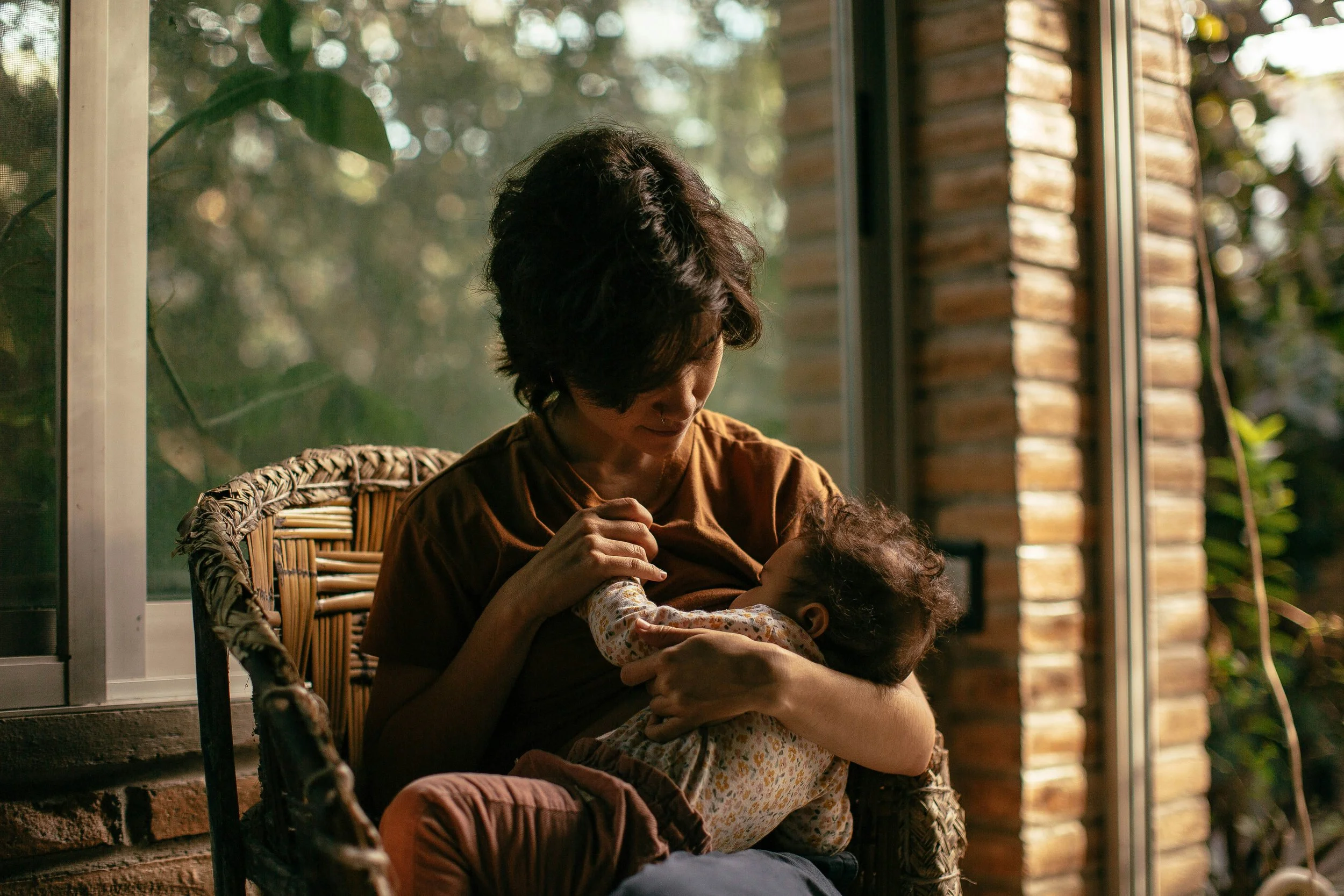
Bringing home a baby changes everything. While much attention is given to postpartum depression, postpartum anxiety is just as common — and often less discussed. Many new parents expect exhaustion and emotional ups and downs. What they do not expect is the constant edge of fear, the intrusive thoughts, or the racing heart that won’t slow down even when the baby is sleeping peacefully.
If you are feeling anxious in ways that seem bigger than “normal worry,” you are not alone. Postpartum anxiety affects many parents, and therapy can help you feel steadier, calmer, and more supported during this transition.
What Is Postpartum Anxiety?
Postpartum anxiety is characterized by excessive worry, physical tension, racing thoughts, and a sense of impending danger related to your baby, your parenting, or your own health. Unlike the “baby blues,” which typically peak within the first two weeks after delivery and then improve, postpartum anxiety can persist or intensify over time.
It may show up as constant checking, difficulty sleeping even when the baby sleeps, catastrophic thinking, irritability, or avoidance of situations that feel unsafe. Some parents experience intrusive thoughts — unwanted, distressing mental images that feel alarming but do not reflect intent. These thoughts can increase shame and isolation, making it harder to ask for help.
Anxiety during this season is not a sign that you are failing. It is often the result of hormonal shifts, sleep deprivation, and the enormous responsibility of caring for a new life.
Postpartum anxiety can also fluctuate from day to day, which makes it confusing. Some mornings you may feel calm and capable, while other moments bring sudden waves of panic or dread. This inconsistency can lead parents to question whether their experience is “serious enough” to warrant therapy. The truth is that mental health support is not reserved for crisis. If anxiety feels disproportionate, persistent, or exhausting, that alone is reason enough to seek help.
The Signs No One Talks About
Many parents expect sadness to signal a problem, but anxiety can be quieter and more hidden. You might appear “high functioning” while internally feeling panicked. You may obsessively research feeding schedules, track breathing patterns, or replay minor moments wondering if you did something wrong.
Nighttime can feel particularly intense. With fewer distractions, anxious thoughts can grow louder. Physical symptoms such as tightness in the chest, stomach discomfort, or restlessness may accompany racing thoughts.
Because new parenthood is inherently demanding, these signs are often dismissed as normal. The key difference is intensity and persistence. When worry feels uncontrollable or begins interfering with daily life, therapy can provide meaningful support.
Another lesser-discussed sign is the pressure to appear grateful at all times. Many parents experiencing anxiety feel guilty admitting they are struggling because they deeply love their baby. This internal conflict — loving your child while feeling overwhelmed — can intensify shame and silence. Anxiety often grows in isolation. Speaking openly with a therapist provides relief by normalizing these experiences and helping you untangle fear from reality.
How Therapy Can Help
Therapy for postpartum anxiety focuses on calming the nervous system, addressing intrusive thoughts, and rebuilding confidence. Cognitive-behavioral techniques can help challenge catastrophic thinking patterns. Mindfulness practices can reduce physical anxiety symptoms. Processing identity changes and relationship stress can ease underlying pressure.
Therapy also provides something many new parents lack: a space entirely focused on you. Not the baby. Not the schedule. You.
In some cases, collaboration with medical providers may also be appropriate. Seeking help early often leads to faster relief and prevents anxiety from deepening.
Therapy can also support the broader transition into parenthood, not just anxiety symptoms. Many new parents experience shifts in identity, partnership dynamics, and expectations of themselves. Exploring these changes in a supportive therapeutic space reduces internal pressure and strengthens emotional resilience. When anxiety is addressed alongside life adjustments, healing tends to feel more complete and sustainable.
Practical Ways to Reduce Anxiety at Home
Small changes can support your healing while you pursue therapy. Prioritize sleep in any way possible, even if that means accepting help from others. Limit late-night internet searches that increase fear. Share your worries out loud with a trusted partner or friend rather than keeping them internal. Gentle breathing exercises before bed can also signal safety to your nervous system.
It can also be helpful to gently reduce the expectation that you must “optimize” every parenting decision. Anxiety often thrives on the idea that there is one perfect choice and that making the wrong one could have lasting consequences. Reminding yourself that babies are resilient and that good-enough parenting is truly enough can quiet perfectionistic thinking. Pairing these mindset shifts with therapy creates a powerful combination of insight and relief.
You do not have to manage this alone. Support is available, and feeling better is possible.
FAQ: Postpartum Anxiety
How is postpartum anxiety different from normal new parent worry?
Normal worry is situational and manageable. Postpartum anxiety feels persistent, excessive, and difficult to control.
Is postpartum anxiety the same as postpartum depression?
They can overlap but are different conditions. Anxiety centers on fear and tension, while depression centers more on low mood and loss of interest.
How long does postpartum anxiety last?
Without support, it can continue for months. With therapy and appropriate care, symptoms often improve significantly.
Are intrusive thoughts normal?
They are common in postpartum anxiety. Having them does not mean you will act on them. Therapy can help reduce their intensity and frequency.
When should I seek help?
If anxiety interferes with sleep, daily functioning, or your ability to enjoy your baby, reaching out for therapy is a wise and supportive step.