
Why We Love Reality TV So Much
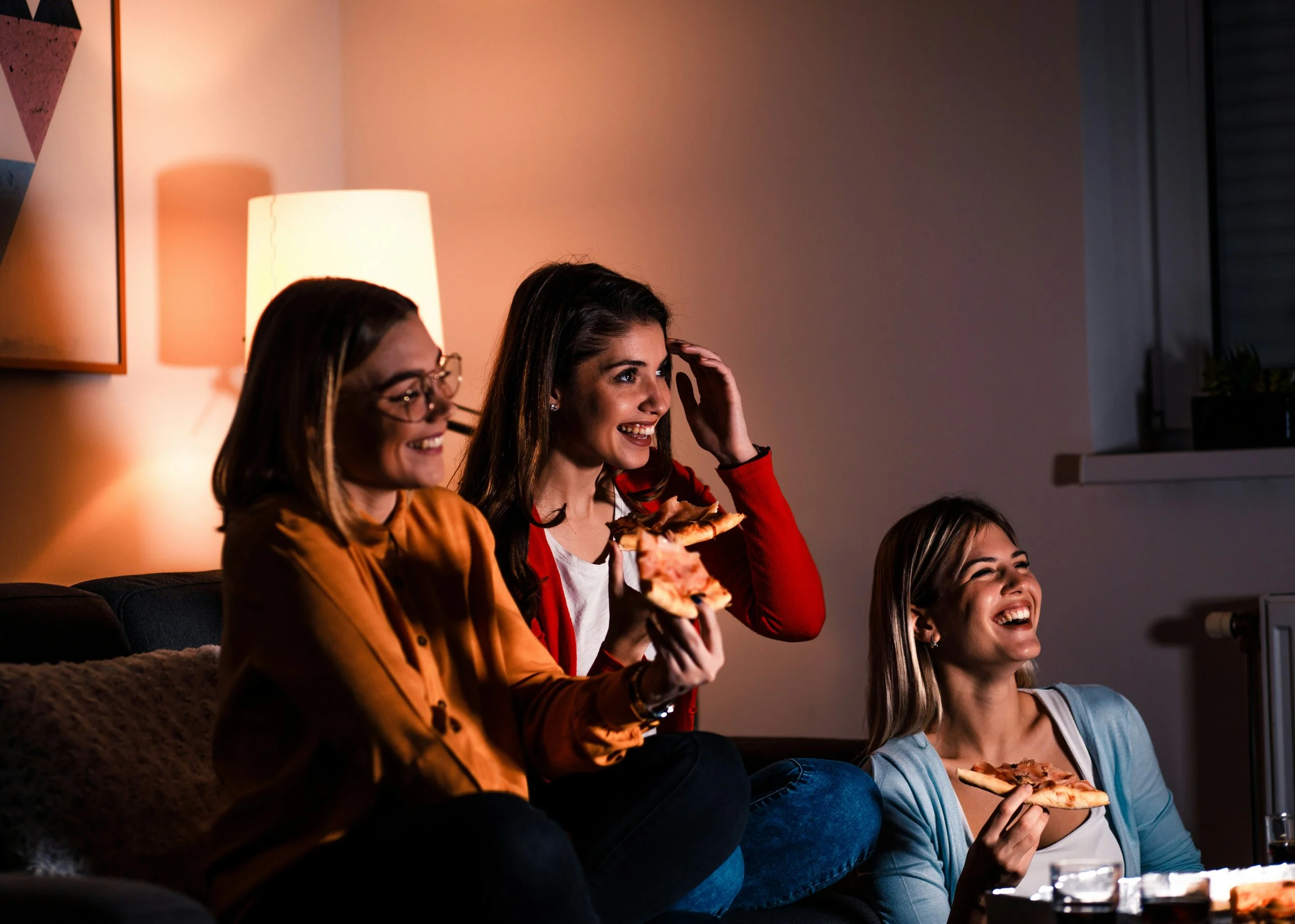
Reality TV has a strange place in our culture. We know it is edited, produced, and sometimes heavily constructed, yet millions of people still become deeply invested in the people, relationships, arguments, breakups, betrayals, and dramatic reveals happening on screen. We may criticize it as “mindless,” but then somehow end up watching six episodes in a row.
So what keeps us coming back?
The psychology behind our fascination with reality TV is actually more interesting than the shows themselves. It taps into some very ordinary human tendencies: curiosity about other people, social comparison, emotional stimulation, and the desire to understand how relationships work.
We’re Naturally Curious About Other People
Humans are social creatures, which means we spend a surprising amount of mental energy paying attention to other people. Who is getting along? Who is upset? Who is being excluded? Who can be trusted? Who is hiding something?
Reality TV gives us an exaggerated version of this everyday social observation.
We get to watch people interact without actually having to participate. We can observe someone's behavior, form an opinion about their motives, predict what they will do next, and watch the consequences unfold. There is something inherently compelling about having access to information that the people on screen may not have.
That is part of why shows built around secrets, alliances, conflict, and interpersonal drama can be so difficult to stop watching. Our brains are interested in figuring people out.
Social Comparison Is Part of the Appeal
Reality TV also gives us an endless supply of people to compare ourselves to.
Their relationships. Their friendships. Their appearance. Their careers. Their homes. Their parenting. Their money. Their mistakes.
Sometimes that comparison is reassuring. Watching someone else's chaotic relationship might make you appreciate the stability in your own. Other times, it can leave you feeling inadequate, envious, judgmental, or oddly invested in measuring your life against someone else's.
And reality TV creates a particularly interesting form of comparison because the people we watch are often presented as simultaneously ordinary and extraordinary. They might have the same relationship problems, insecurities, family conflicts, or career frustrations we recognize in our own lives—while also living in circumstances that feel completely removed from ours.
That combination can make them feel relatable enough to understand but different enough to keep watching.
We Get Emotion Without Having to Risk Anything
Reality TV can also provide a relatively safe way to experience intense emotions.
You can become angry at someone's behavior, anxious about an impending confrontation, excited when two people reconcile, or completely shocked by a betrayal—all while sitting safely on your couch.
This isn't unique to reality TV. Fiction, sports, and other forms of entertainment work similarly. But reality TV adds another layer because the situations are presented as involving real people and real relationships.
The emotional stakes can feel personal even when they aren't.
And sometimes, after a stressful day, there is something appealing about focusing on somebody else's problems for an hour. Your own unanswered email, awkward conversation, or work stress temporarily becomes less interesting than whatever is happening between strangers on television.
The “I Just Want to See What Happens” Effect
One of reality TV's most powerful ingredients is anticipation.
You know something is coming. Maybe someone is about to find out a secret. Maybe an argument is about to happen. Maybe two people are going to confront each other.
That anticipation keeps your attention engaged.
This is one reason cliffhangers and previews are so effective. The show gives you just enough information to create a question in your mind, then makes you wait for the answer. Once you have become invested in the outcome, stopping can feel surprisingly difficult.
Sometimes you're not even enjoying the episode that much. You simply need to know what happens next.
We Become Attached to People We Don't Know
Then there is the relationship viewers develop with reality TV personalities.
Over time, watching someone's life can create a sense of familiarity. You may know their personality, their history, their relationships, and their recurring conflicts. You may feel like you understand them—even though you have never met them.
Psychologists often describe this kind of one-sided relationship as a parasocial relationship. The connection isn't reciprocal, but the emotional experience can still feel meaningful.
That helps explain why viewers can feel genuinely disappointed when a favorite person leaves a show, angry when someone behaves differently than expected, or protective of someone they have never actually spoken to.
We don't necessarily believe these people are our friends. But repeated exposure can create a sense of familiarity that feels surprisingly close to one.
Sometimes It Really Is Just Fun
Not every psychological explanation needs to become a diagnosis.
Sometimes you watch reality TV because it is entertaining.
There is pleasure in ridiculous situations, memorable personalities, beautiful settings, unexpected twists, and watching people behave in ways you would never behave yourself. Humor, novelty, suspense, and storytelling can all make something enjoyable without there needing to be a deeper reason.
The more interesting question may not be “Why do I watch this?” but “What am I getting from it?”
Are you laughing? Relaxing? Escaping? Comparing? Connecting with friends who watch the same show? Getting absorbed in someone else's story after a difficult day?
None of those automatically make watching reality TV unhealthy.
It becomes more worth examining when entertainment consistently leaves you feeling worse - more anxious, more self-critical, more dissatisfied with your life, or unable to disengage even when you want to. In that case, the useful question isn't whether reality TV is “bad.” It's whether the way you're consuming it is actually giving you what you need.
And honestly, sometimes the answer is simply: you wanted to watch beautiful strangers make questionable decisions for an hour.
That's human, too.
If you find yourself wanting to understand what sits underneath your own habits, reactions, or emotional patterns—not just your relationship with reality TV—working with a therapist can help you get curious about those patterns without judging them. Meridian Counseling offers therapy to help you better understand yourself, your relationships, and the ways you respond to the world around you.
Frequently Asked Questions
Is watching reality TV bad for your mental health?
Not inherently. Like other forms of entertainment, its impact depends on the content, how much you consume, and how it affects you. If it consistently increases anxiety, comparison, or dissatisfaction, it may be worth paying attention to those effects.
Why do I get so emotionally invested in reality TV personalities?
Repeated exposure can create familiarity and parasocial relationships. You may develop a sense of knowing someone's personality and history even though the relationship only exists from your side.
Why is reality TV so addictive?
Anticipation, suspense, novelty, interpersonal conflict, and cliffhangers can all keep attention engaged. Wanting to know what happens next can be particularly effective at keeping viewers watching.
Why do I compare my life to people on reality TV?
Reality TV provides a constant stream of people, relationships, lifestyles, and appearances to evaluate against your own. Social comparison is a normal psychological process, although frequent upward comparison can sometimes affect how satisfied you feel with your own life.
Can reality TV actually help me relax?
It can. Entertainment can provide distraction and emotional distance from everyday stress. The important distinction is whether watching leaves you feeling restored or consistently leaves you feeling worse.