
Why Becoming a Parent Can Change Your Relationship With Your Own Parents
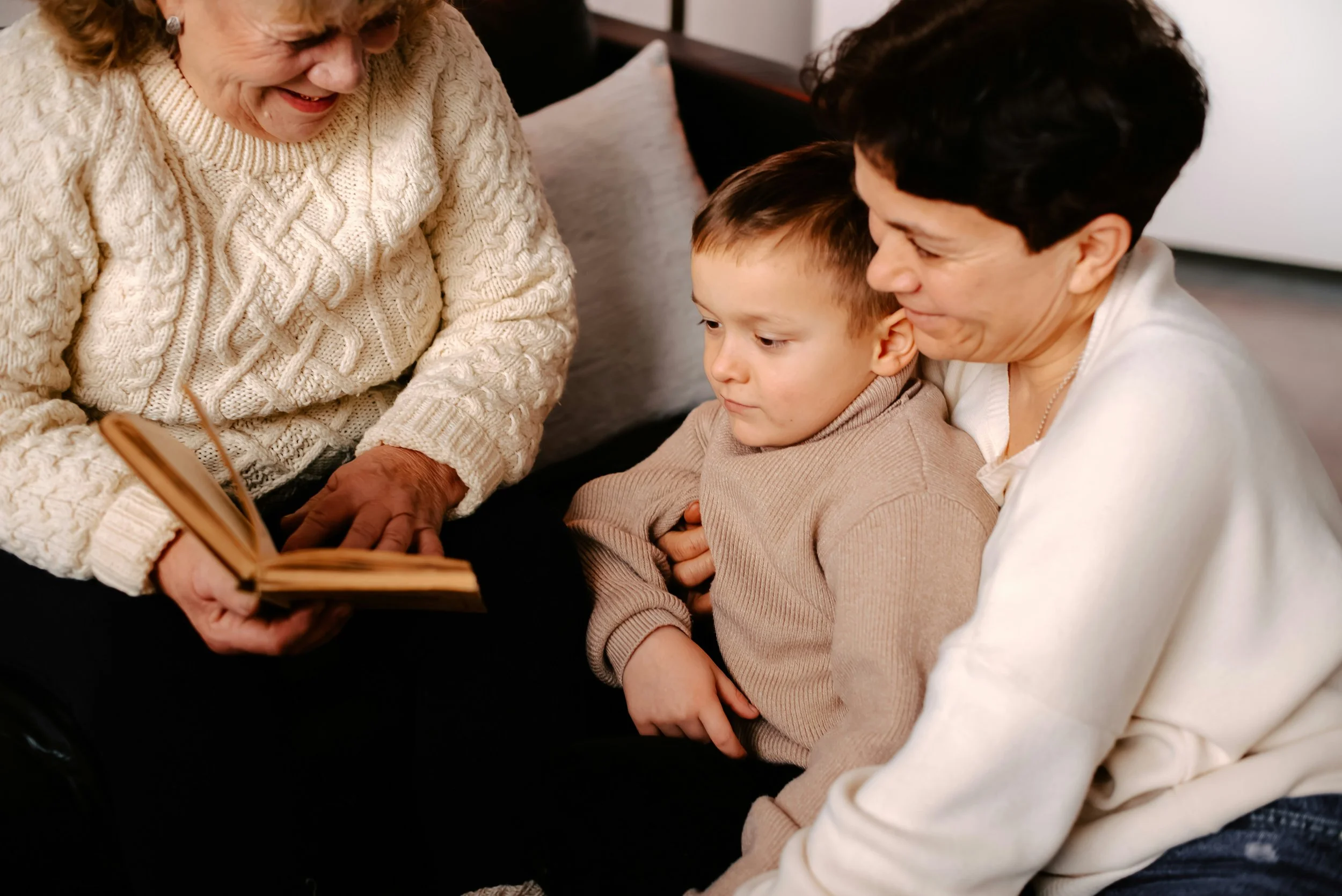
Most people expect parenthood to change their lives. They expect sleepless nights, new routines, and a different relationship with their partner. What many people don't expect is how deeply becoming a parent can change their relationship with their own parents.
For some, becoming a parent brings a newfound appreciation for everything their parents sacrificed. For others, it shines a spotlight on childhood experiences they had long forgotten. Some parents find themselves feeling closer to their families than ever before, while others discover old wounds resurfacing in ways they didn't anticipate.
Parenthood has a unique way of making us revisit our own childhood. As we guide our children through developmental milestones, emotional challenges, and everyday experiences, we often find ourselves reflecting on how we were parented. Sometimes those reflections are comforting. Other times, they can be painful, confusing, or unexpectedly emotional.
If you've noticed your feelings toward your parents changing since having children of your own, you're far from alone.
Parenthood Often Brings Childhood Memories Back to the Surface
Many adults spend years focused on work, relationships, and building their lives without regularly revisiting childhood memories. Then they become parents.
Suddenly, moments from decades ago begin to feel surprisingly relevant.
A parent may find themselves remembering how their own parents comforted them when they were upset. They may recall family traditions, discipline styles, conversations around emotions, or experiences that once seemed insignificant but now carry new meaning.
This often happens because parenting activates parts of our identity that have been dormant for years. As we care for our children, our brains naturally draw connections between what we're experiencing now and what we experienced as children ourselves.
Sometimes those memories are warm and comforting. Parents may feel grateful for the love, stability, and support they received growing up.
Other times, parenting can bring difficult memories into sharper focus. Situations that once felt normal may suddenly feel very different when viewed through the lens of caring for a child of your own.
You May Develop More Empathy for Your Parents
One common experience among new parents is gaining a deeper understanding of their parents' challenges.
Raising children is demanding. It requires patience, flexibility, emotional energy, and constant decision-making. As parents experience the realities of caregiving, they often begin to appreciate just how much effort went into raising them.
Many adults find themselves thinking things like:
"I never realized how exhausted my parents must have been."
"I understand now why they were stressed."
"I can see how difficult some of those situations were."
This newfound empathy can strengthen family relationships and create opportunities for greater understanding.
Recognizing your parents' humanity can be powerful. It allows many people to see their parents not only as authority figures from childhood but as imperfect individuals doing their best with the resources, knowledge, and support they had at the time.
Sometimes Parenthood Brings Up Resentment Instead
Not everyone experiences increased empathy.
For some people, becoming a parent leads to a different realization.
As they care for their own children, they begin to recognize needs that weren't met during their own childhood.
They may notice how naturally they respond to their child's emotions and wonder why similar support wasn't available to them. They may become more aware of experiences that felt dismissive, critical, neglectful, or emotionally unavailable.
This realization can trigger grief, anger, sadness, or resentment.
Many parents feel guilty when these emotions arise. They may believe they should simply move on or focus on the positive aspects of their upbringing.
However, acknowledging difficult emotions does not mean rejecting your parents entirely. It is possible to appreciate the things your parents did well while also recognizing the ways your needs may not have been fully met.
Holding both truths at the same time is often an important part of healing.
Parenting Can Reveal Generational Patterns
One of the most powerful aspects of parenthood is its ability to expose patterns that have been passed down through generations.
Many parents begin to notice similarities between themselves and their own parents.
Perhaps they find themselves using familiar phrases, reacting to stress in similar ways, or handling conflict using patterns they observed growing up.
Sometimes these patterns are positive. They may involve family traditions, strong values, resilience, or meaningful ways of connecting with others.
Other times, parents discover behaviors they don't want to repeat.
They may notice tendencies toward perfectionism, emotional avoidance, harsh self-criticism, people-pleasing, or difficulty expressing feelings.
This awareness can be uncomfortable, but it is also incredibly valuable.
You cannot change a pattern you don't recognize.
Parenthood often provides a unique opportunity to examine family dynamics with greater clarity and decide which patterns you want to continue and which ones you want to leave behind.
The Desire to Break Cycles
Many parents enter therapy because they want something different for their children than what they experienced growing up.
They may want to improve communication, create healthier boundaries, regulate their emotions more effectively, or build stronger emotional connections within their families.
Breaking generational cycles does not require becoming a perfect parent.
In fact, perfection is not the goal.
Research consistently shows that children benefit most from caregivers who are emotionally available, willing to repair mistakes, and capable of providing consistent support—not caregivers who never make errors.
Parents who are committed to growth often place tremendous pressure on themselves to get everything right. Ironically, this pressure can become its own source of stress and anxiety.
The goal is not perfection. The goal is awareness, flexibility, and a willingness to keep learning.
When Your Child Triggers Your Own Emotional Wounds
One of the most surprising aspects of parenting is discovering how strongly your child's experiences can affect your own emotions.
A child's fear may remind you of times you felt unsupported.
A child's disappointment may reconnect you with your own childhood hurts.
A child's need for comfort may highlight moments when you wished someone had comforted you.
These reactions can feel overwhelming, but they are often important signals.
Rather than viewing these moments as evidence that something is wrong, it can be helpful to view them as opportunities for self-understanding.
Many parents find that raising children becomes one of the most significant personal growth experiences of their lives because it encourages them to confront emotions and experiences they may have avoided for years.
Parenthood Can Be an Opportunity for Healing
While parenting can bring difficult emotions to the surface, it can also create opportunities for healing.
Many parents describe feeling empowered when they provide their children with the emotional support they once wished they had received.
Others find comfort in creating new family traditions, healthier communication patterns, and more emotionally connected relationships.
Healing does not mean erasing the past.
It means developing a new relationship with it.
It means understanding how your experiences shaped you without allowing them to completely define your future.
Parenthood often serves as a reminder that growth remains possible at every stage of life.
How Counseling Can Help
If becoming a parent has brought up complicated feelings about your own childhood or your relationship with your parents, you are not alone. These experiences are incredibly common, even though they are not always openly discussed.
Therapy can provide a supportive space to explore family dynamics, attachment patterns, childhood experiences, parenting challenges, and the emotions that often accompany major life transitions. It can also help parents develop greater self-awareness, strengthen emotional regulation skills, and build healthier relationships with both their children and themselves.
At Meridian Counseling, our therapists work with individuals, parents, couples, and families navigating life's most meaningful and challenging transitions. Whether you're processing unresolved childhood experiences, adjusting to parenthood, working to break generational cycles, or simply trying to understand yourself more deeply, support is available.
Parenthood changes many things. Sometimes, one of the biggest changes is how we see the people who raised us—and how we choose to move forward from there.
Frequently Asked Questions
Is it normal to feel differently about my parents after having children?
Yes. Many people experience shifts in perspective after becoming parents. Parenthood often brings childhood memories, family dynamics, and emotional experiences into focus in new ways.
Why has parenting made me more emotional about my childhood?
Parenting naturally activates memories and experiences from your own upbringing. As you care for your child, you may become more aware of how your emotional needs were met—or not met—when you were growing up.
Can becoming a parent trigger unresolved trauma?
Yes. Parenthood can sometimes bring unresolved trauma, grief, or attachment wounds to the surface. While this can be difficult, it can also create opportunities for healing and growth.
How can therapy help with parenting and family-of-origin issues?
Therapy can help you better understand your childhood experiences, identify generational patterns, process difficult emotions, and develop healthier ways of relating to yourself, your children, and other family members.
Does recognizing mistakes my parents made mean I don't love them?
Not at all. It is possible to love and appreciate your parents while also acknowledging areas where your needs may not have been fully met. Both realities can exist at the same time.